Share your content with us! Use #showmemultiliteracy hashtag on Facebook!
Translanguaging Explained
Are you still wondering about the benefits of students using their home languages in your classroom?
Translanguaging is a theory about how multilinguals naturally use their languages to communicate in different situations depending on who they are interacting with and what they are attempting to achieve with language. As a theory, translanguaging represents a holistic and dynamic view of multilingualism. Translanguaging is also a form of pedagogy for educating multilinguals, where teachers encourage students to deploy all of their language resources to enhance their comprehension and learn content.
Marrero-Colón shows with lively vignettes the basics of how translanguaging can benefit learners in four types of classrooms: a mainstream science class, an English language development class, a dual language classroom, and a transitional bilingual program. She demonstrates that translanguaging pedagogy respects students' identity and positions them as capable learners, who have background knowledge and skills to draw on, which can boost their critical thinking, creativity, and self-efficacy.
Download the full-text article here.
Marrero-Colón, M. B. (2021). CAL Commentary: Translanguaging: Theory, Concept, Practice, Stance… or All of the Above? Center for Applied Linguistics.


Artist Shares Significance of Multicultural Mural
Parkview High School, Springfield, MO

Getting Started with Translanguaging in the Multilingual Classroom
How can teachers effectively use translanguaging strategies in their work with multilingual learners?

Interview with Cindy Tracy, owner of World of Reading
WOR - Source of quality foreign language and ESL products.

Surveying Multilingual Families
Have you thought about asking the families of your English learners what they think about the services for them at your school? We have a tried-and-tested survey instrument for you at no charge.
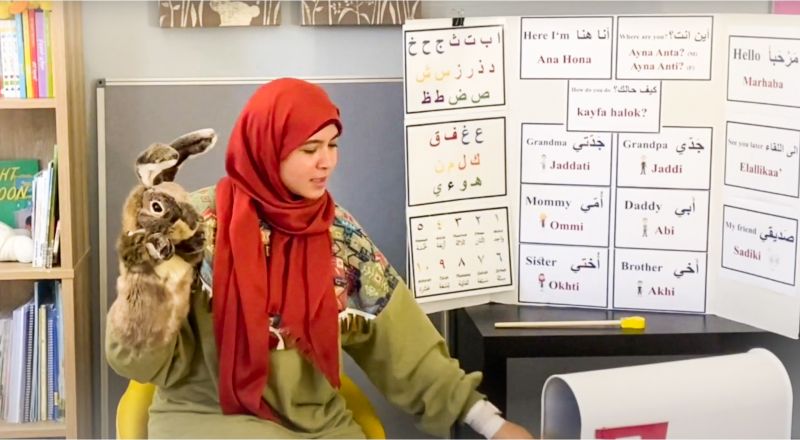
Calling All Heritage Language Schools in the Community
Are you teaching a heritage language program on the weekends, after school, in a play group, or during story time at your local library? Why not register it with the Heritage Language Programs in the United States?
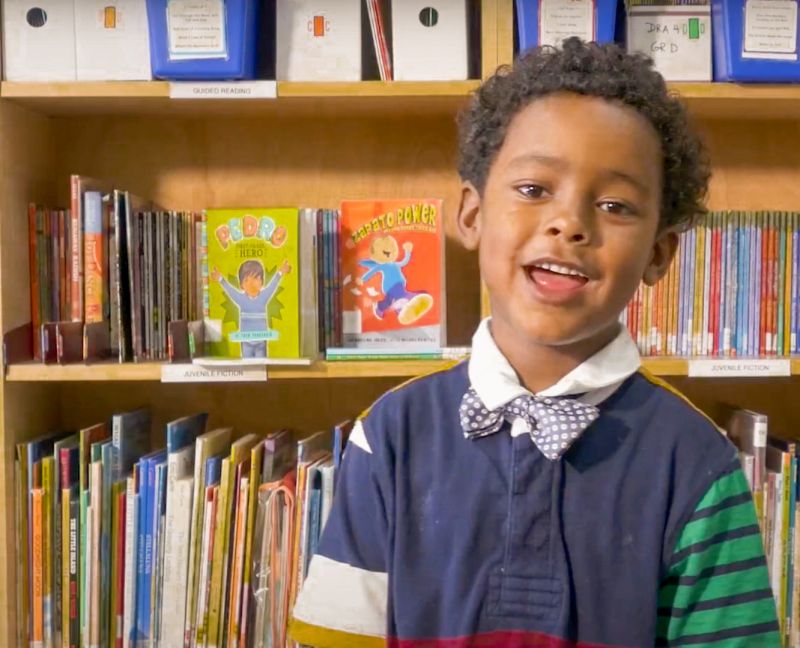
Creating a Supportive Environment for English Learners
Learning a new language like English can be tough. It’s even more difficult for students new to the U.S., many of whom had to leave their home countries under traumatic conditions.